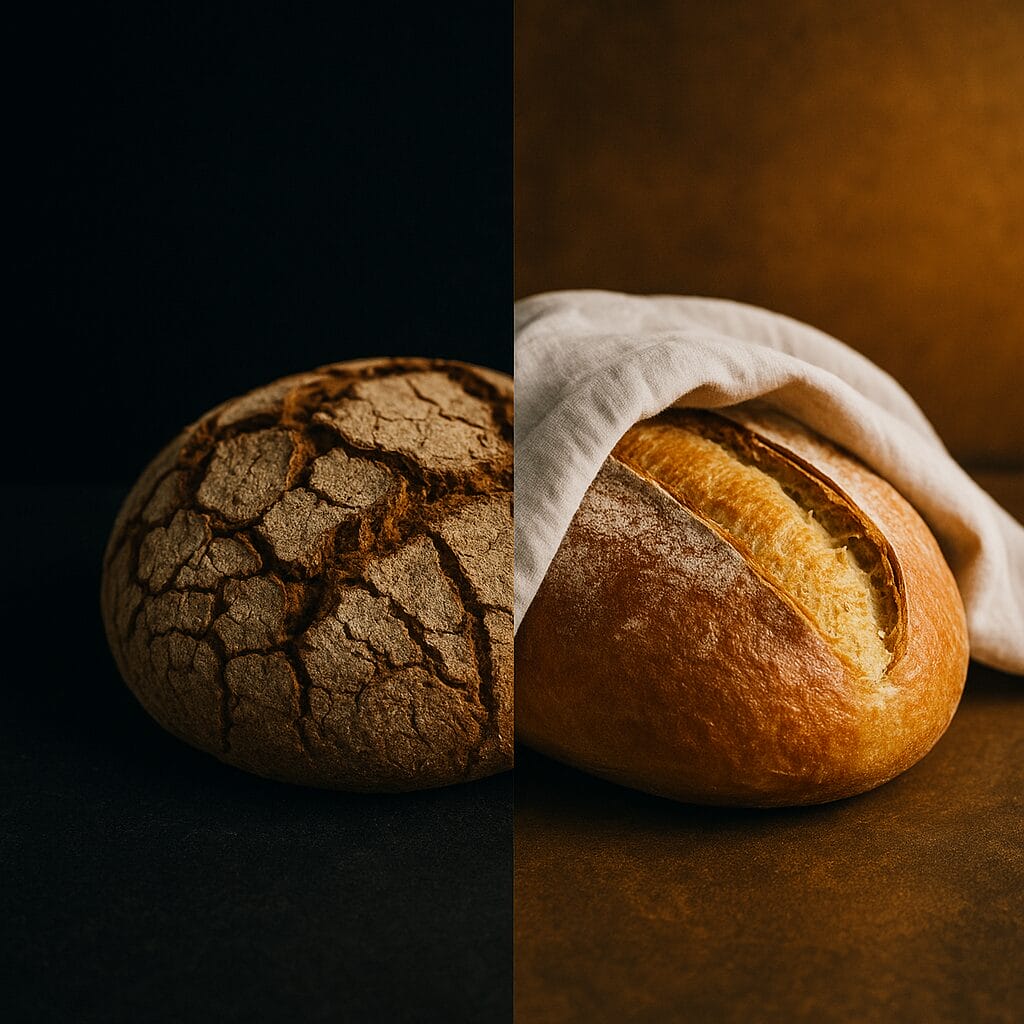
- Dark
- Light
- Beige
- Grey
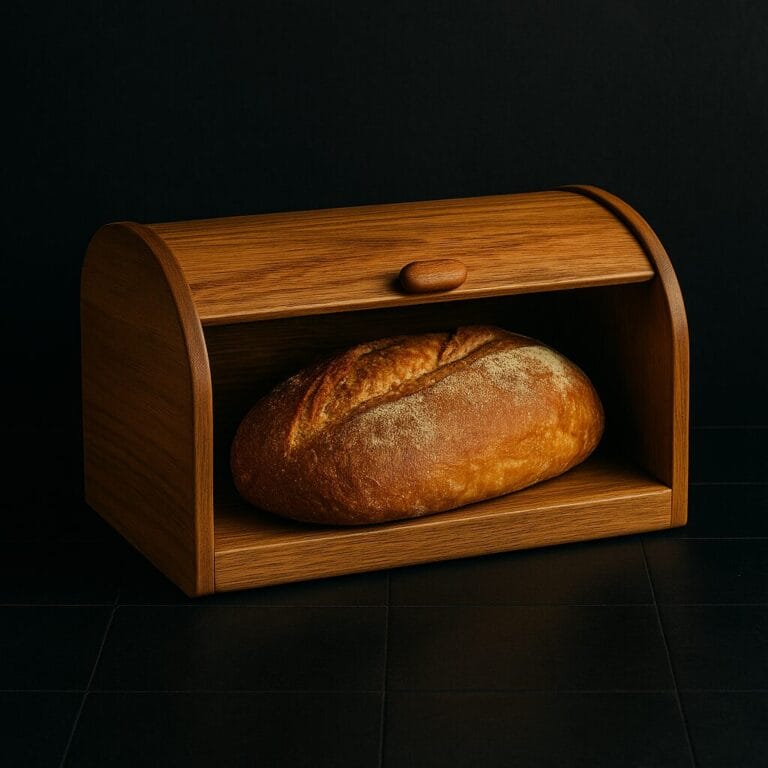
Use a Bread Box — Old Tradition, Modern Value
notes
Wooden boxes are the most effective because wood naturally absorbs excess moisture. Don’t store multiple half-eaten loaves together without wrapping them first—crumbs and cut surfaces encourage mold.
What You Need
Bread box (wood, ceramic, or metal)
Method
Allow your bread to cool completely before storing (warm bread releases steam that creates condensation).
Place the whole loaf inside a bread box.
Keep the box in a cool, dry area away from direct sunlight.
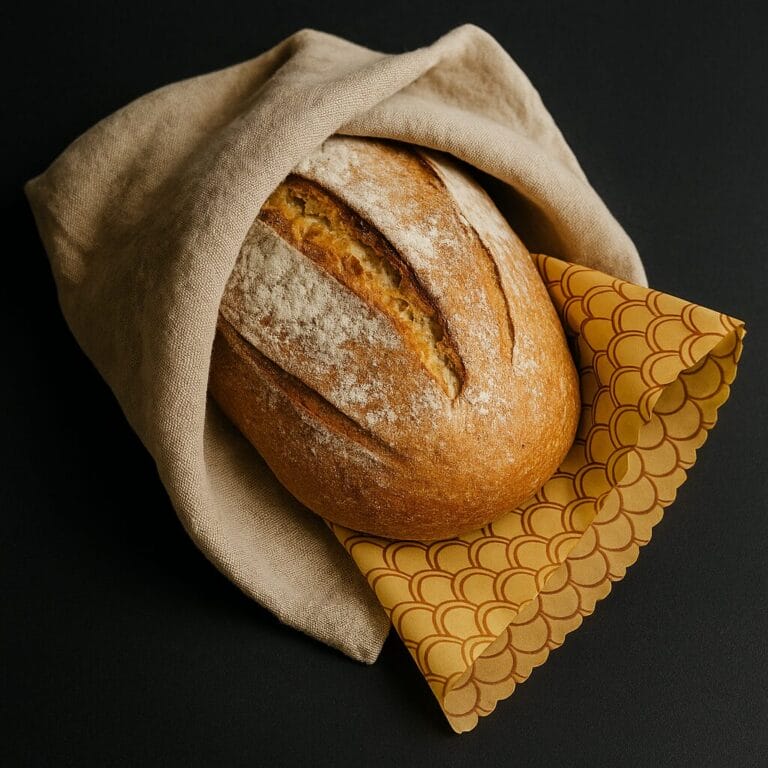
Wrap in Cloth or Beeswax — Short-Term Storage (1–3 Days)
What You Need
Clean cotton cloth bag or linen bag
Beeswax wrap (optional, eco-friendly alternative)
Method
Wrap the loaf loosely to allow minimal airflow.
Store at room temperature, preferably in a cupboard or pantry.
For baguettes or rustic breads, beeswax wraps work especially well to maintain the crust.
notes
This method is perfect for 1–3 days only. Beyond that, bread will stale naturally. Never store wrapped bread in the fridge—cold accelerates staling up to 6x faster. If your bread is homemade (without preservatives), this is the best option for short use.
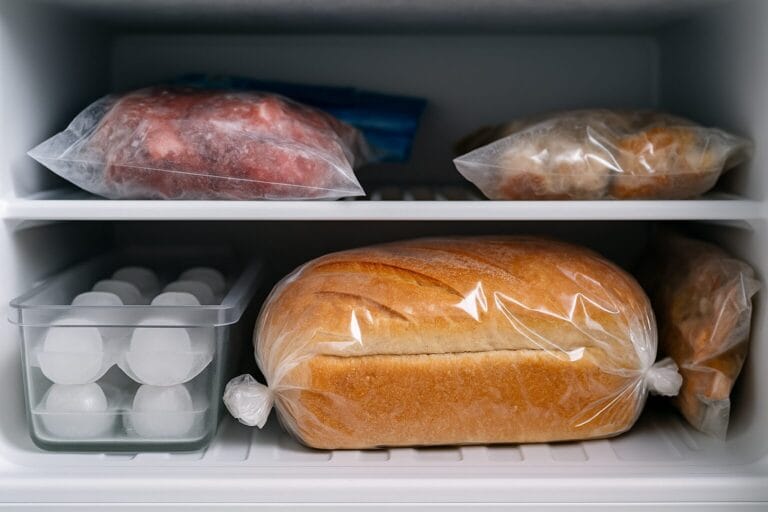
Freeze for Long-Term Storage (1 Week and More)
notes
Freeze bread in small packs (4–5 slices) to avoid thawing too much at once. Never refreeze thawed bread—it becomes crumbly and loses quality. Freezing is best for long-term use, while cloth or bread boxes are better for daily consumption.
What You Need
Freezer-safe bags or airtight containers
Parchment paper or foil
Sharp knife for slicing
Method
Slice the loaf before freezing so you can take out only what you need.
Wrap slices in parchment or foil, then place in freezer bags. Remove as much air as possible.
Store flat in the freezer.
Toast slices directly from frozen or reheat a whole loaf in the oven at 180°C (350°F) for 10–15 minutes.
Additional notes