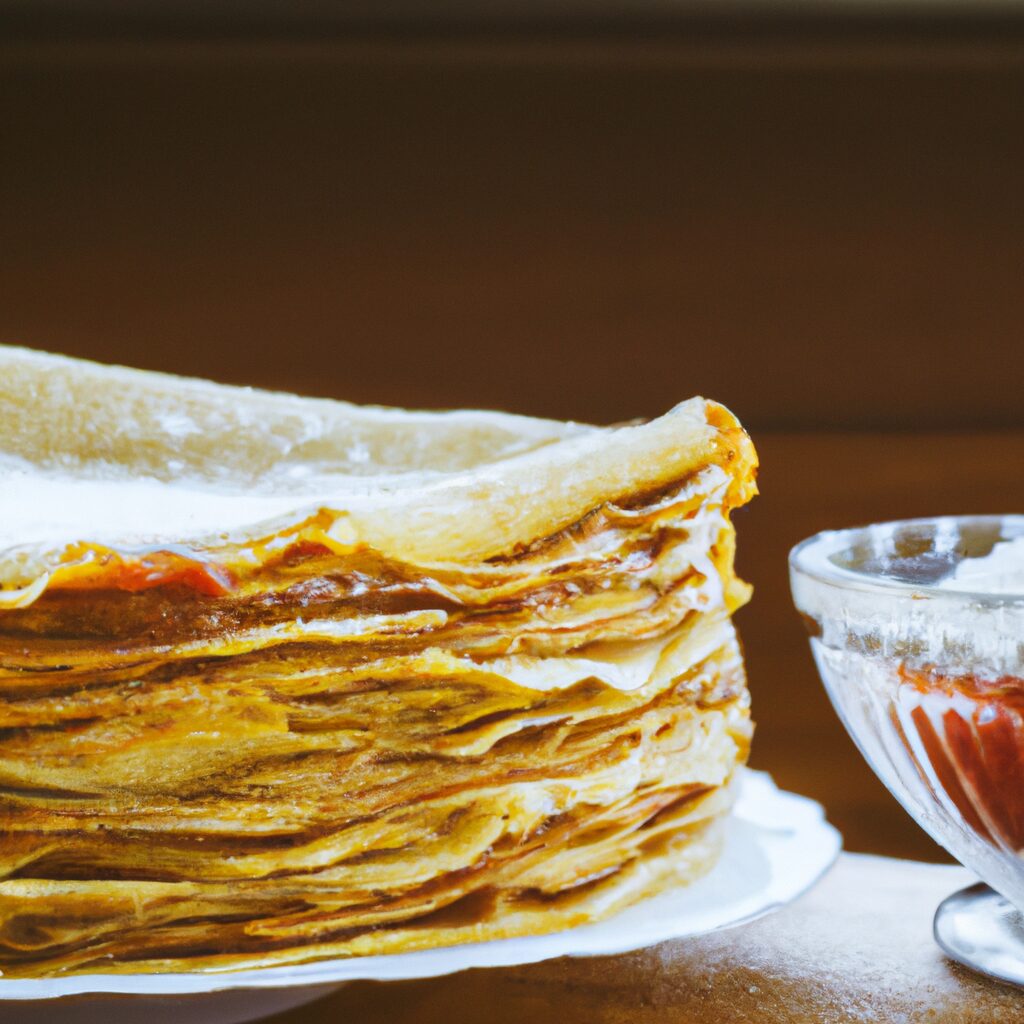
Buttermilk Crepes Recipe

Easy buttermilk crepes recipe for thin, tender French pancakes ready in minutes, ideal for breakfast, dessert or savory fillings.

This recipe presents a classic batch of French crêpes prepared with lait fermenté—also known as lait ribot or cultured buttermilk—whose gentle acidity yields an exceptionally tender, slightly tangy batter. Combining staples such as wheat flour, eggs, a modest measure of sugar, melted butter, and a pinch of salt, the mixture is whisked until smooth, rested, and then cooked into thin, golden rounds. The resulting crêpes are prized for their delicate texture and subtle depth of flavor, making them a popular choice for breakfast, brunch, or sweet snack occasions like La Chandeleur (Crêpe Day) and Mardi Gras, where they are traditionally served with an array of sweet or savory garnishes.

Dish Image

Buttermilk Crepes Recipe

Cultured buttermilk does more than tenderize—the slight tang streamlines batter consistency, letting you skip any leavening aids and still get ultra-thin, lacy crêpes. It’s also a practical way to rescue that lingering carton of lait ribot, transforming a fridge staple into a versatile canvas for rapid weekday fillings or brunch spreads.

Prep Time
45 minutes
Cook Time
20 minutes
Total Time
65 minutes
Servings: 20 Course: desserts

Ingredients

  • All-purpose flour (250 g)

  • Buttermilk / fermented milk (lait ribot) (500 ml)
  • Eggs (3 large)
  • White granulated sugar (40 g)
  • Unsalted butter, melted and cooled (30 g)
  • Fine salt (1 pinch)
  • Optional or flavour-boosting additions:
  • Vanilla sugar (1 sachet ≈ 7 g)
  • Dark rum (1 tbsp)
  • Orange-blossom water (1 tbsp)

Method

  1. Measure the flour into a large bowl

  2. Add the sugar to the flour
  3. Add the salt to the flour
  4. Crack the eggs into the bowl
  5. Whisk the mixture until partly combined
  6. Pour in a little buttermilk
  7. Whisk to incorporate the buttermilk
  8. Continue adding buttermilk gradually
  9. Whisk after each addition until smooth
  10. Stir in the melted butter
  11. Check the consistency of the batter
  12. Add a little water if the batter is too thick
  13. Cover the bowl with a cloth or plastic wrap
  14. Let the batter rest for about 30 minutes
  15. Set a crepe pan over medium heat
  16. Brush the hot pan with a thin layer of butter or oil
  17. Lift the pan from the heat
  18. Pour a small ladle of batter into the center
  19. Swirl the pan to spread the batter thinly
  20. Return the pan to the heat
  21. Cook until the edges turn golden and start to lift
  22. Slide a spatula under the crepe
  23. Flip the crepe carefully
  24. Cook the second side until lightly coloured
  25. Transfer the crepe to a warm plate
  26. Repeat greasing the pan as needed
  27. Cook the remaining batter in the same way
  28. Stack the crepes to keep them warm
  29. Serve the buttermilk crepes with desired toppings

Nutrition (whole recipe)

Calories
1760 kcal
Protein
62 g
Fat
46 g
Carbs
263 g
Fiber
7 g
Sugar
73 g

Notes

Chef’s Note: After whisking, pour the batter through a fine-mesh sieve and let it rest; straining knocks out hidden lumps so the crêpes spread in a whisper-thin sheet. For a savory twist, swap one-third of the wheat flour for buckwheat and skip the sugar—the buttermilk keeps them just as supple.

why this recipe

This buttermilk crepes recipe is a testament to how a humble change in dairy can elevate a classic dish into something memorable; the cultured tang of buttermilk tenderizes the batter, yielding paper-thin crepes with a subtle, almost brioche-like richness and an irresistibly lacy edge. Because the batter rests and ferments slightly, each bite develops nuanced depth, making these crepes as satisfying on their own as they are when draped around sweet or savory fillings. The method is refreshingly straightforward—no special equipment beyond a regular pan—yet the results rival those of a French crêperie, giving home cooks the gratification of artisan quality without fuss. In short, it’s one of those rare recipes that feels indulgent, yet is wonderfully accessible any day of the week.

FAQs

FAQ acf

Frequently Asked Questions

Can I substitute regular milk for buttermilk (lait ribot) if I don’t have any on hand?
Yes—if cultured buttermilk isn’t available, make a quick stand-in by adding 1 tablespoon (15 ml) lemon juice or white vinegar to each cup (250 ml) of regular milk, then let it sit 5–10 minutes until lightly thickened. This soured milk will supply the acidity that keeps the crêpes tender and subtly tangy; without it, using plain milk alone would yield a flatter flavor and slightly less supple texture.
Can I make the batter in advance, and how long will it keep in the refrigerator?
Yes—this crêpe batter can be mixed ahead and refrigerated, tightly covered, for about 24 hours (up to 48 hours at most). Before cooking, give it a quick whisk and, if it has thickened, thin with a tablespoon or two of water or milk until it flows like heavy cream.
Can I freeze leftover crêpes, and what’s the best way to reheat them?
Yes—once cooled, stack the crêpes with small squares of parchment between each one, slide the stack into an airtight freezer bag, and freeze for up to 2 months. To reheat, thaw the stack overnight in the fridge (or a few minutes at room temp), then warm individual crêpes 15–20 seconds per side in a dry skillet over medium heat or 20–30 seconds in the microwave, just until pliable.

Share this recipe

Still hungry? Here’s more