The Right Way to Clean Wooden Cutting Boards
Wooden cutting boards are beautiful and durable, but they need special care to stay clean and safe. Here’s how to clean and maintain them the right way.
A good wooden cutting board is more than just a kitchen tool—it’s a surface where you prepare meals, chop fresh vegetables, or slice bread. But unlike plastic boards, wood absorbs juices, stains, and even odors if it’s not cleaned properly. I used to think soap and water were enough, until I realized my boards were cracking and smelling over time. With a few simple habits, you can extend the life of your cutting boards, keep them hygienic, and make them look as good as new.

Daily Cleaning Routine

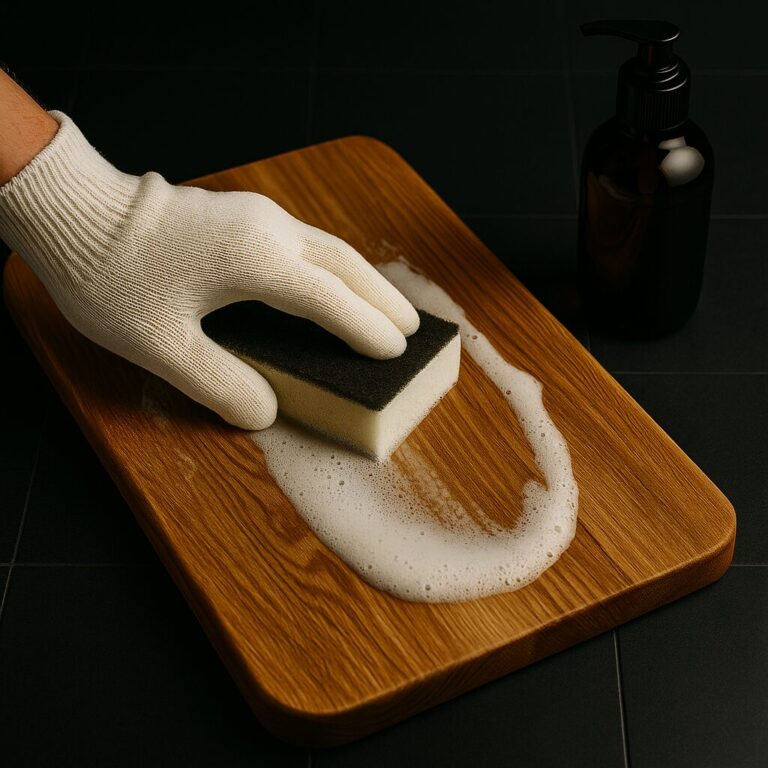
Keep your wooden cutting board fresh and safe by cleaning it immediately after each use.

notes

Never soak a wooden cutting board—it absorbs water and cracks. Avoid the dishwasher at all costs.

What You Need

Mild dish soap

Soft sponge or brush

Towel

Method

Rinse the board quickly with warm water.

Apply a drop of mild soap and scrub gently with a sponge.

Rinse again and dry thoroughly with a towel.

Always store upright to let it air-dry completely.

Deep Cleaning & Deodorizing
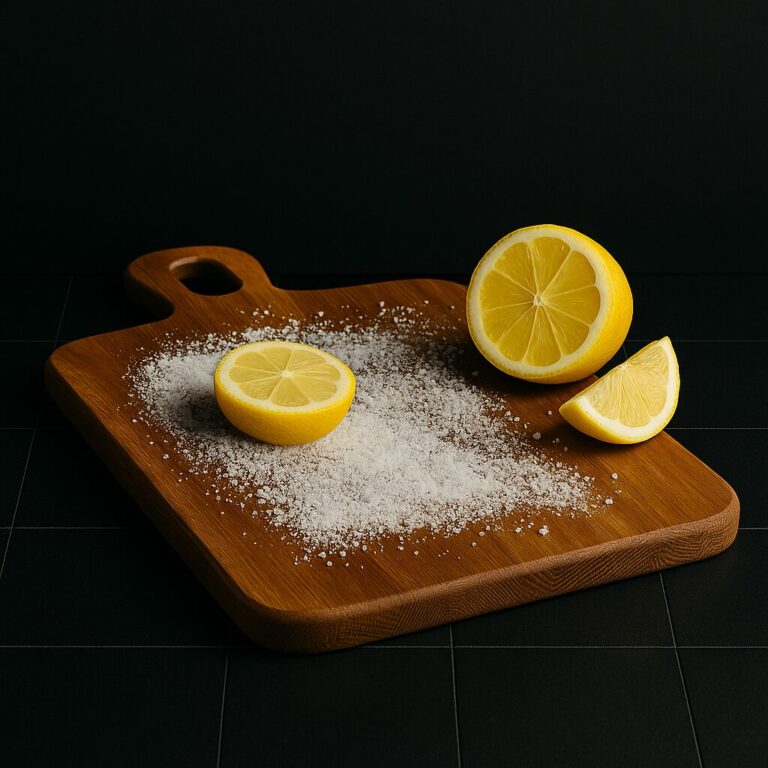
When your board smells of garlic or onion, or has stains, a deeper clean is needed.

What You Need

Coarse salt or baking soda

1 lemon (halved)

Method

Sprinkle coarse salt or baking soda over the board.

Scrub using the cut side of the lemon in circular motions.

Let it sit for 5 minutes, then rinse with warm water.

Dry thoroughly and store upright.

notes

Baking soda is better for stubborn stains. Lemon helps disinfect naturally and removes odors.
Monthly Maintenance with Oil

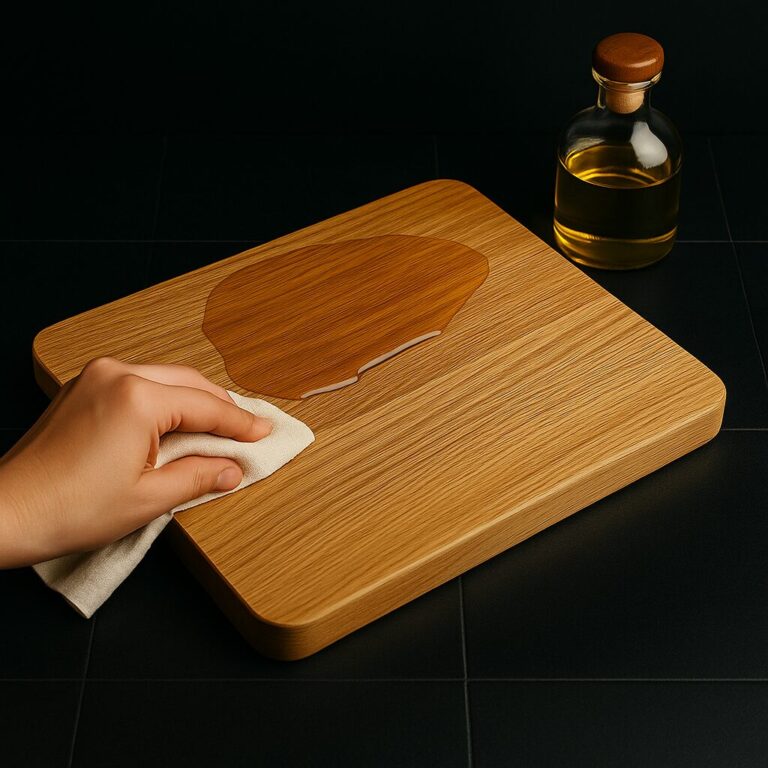
Regular oiling prevents wood from drying and cracking, while keeping it water-resistant.

notes

Never use olive or vegetable oil—they turn rancid. Condition boards every 3–4 weeks, or more often if heavily used.

What You Need

Food-grade mineral oil (or beeswax conditioner)

Clean cloth

Method

Apply a generous layer of oil over the entire surface.

Rub it in with a cloth following the wood grain.

Let it soak overnight.

Wipe off excess oil before use.

Additional notes
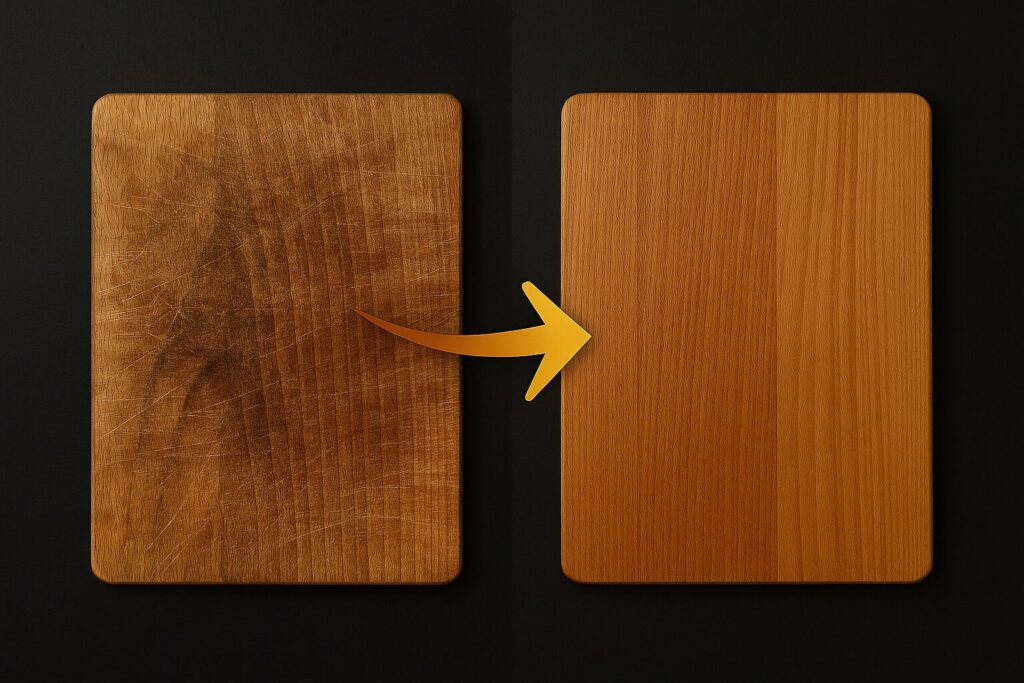
Dedicate one board for raw meat and another for vegetables to avoid cross-contamination.Replace boards with deep grooves that can’t be fully cleaned.If the board warps slightly, keep it oiled and it will flatten back with use.
Wooden cutting boards are a long-term investment for your kitchen—if you care for them properly. With daily cleaning, occasional deep scrubs, and regular oiling, your board will remain safe, beautiful, and functional for years. A few minutes of care each month goes a long way in keeping your kitchen tools at their best.