Themes⚙
- Dark
- Light
- Beige
- Grey
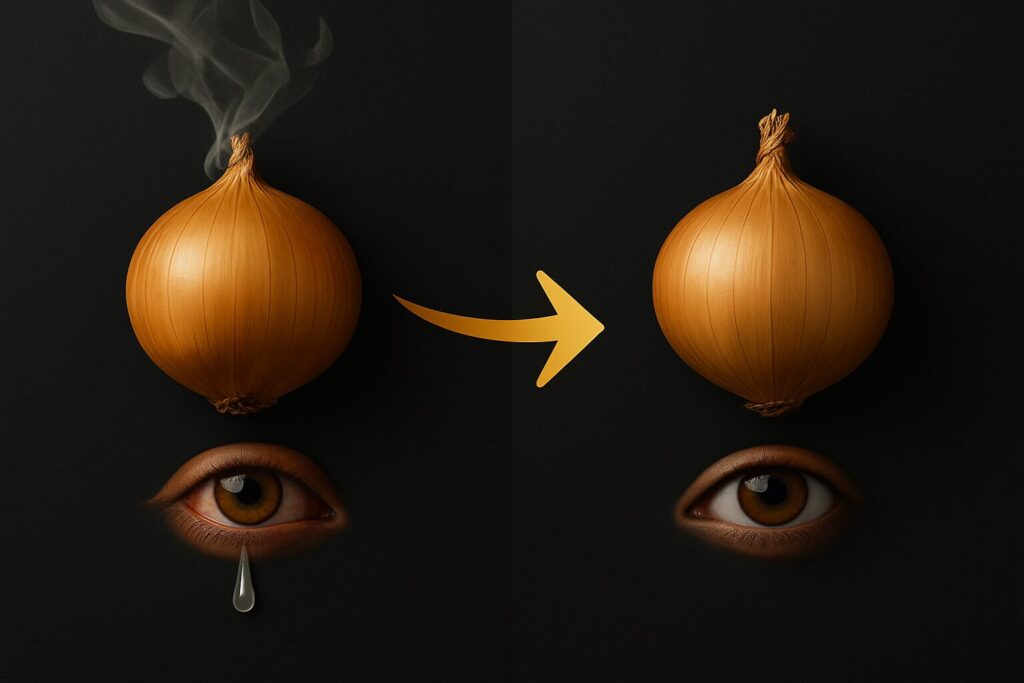
How to Prevent Onions from Making You Cry
Stop tearing up every time you chop onions—this kitchen trick will save your eyes.
Everyone who has ever chopped an onion knows the struggle: you start with good intentions, ready to dice neatly, but within seconds your eyes sting, tears stream down your face, and your cutting board becomes slippery from both onion juice and your own frustration. The culprit is a compound called syn-Propanethial-S-oxide, a gas released when onion cells are broken. As soon as it comes into contact with the moisture in your eyes, it turns into sulfuric acid, triggering that burning sensation and uncontrollable tears. But the good news is, you don’t have to suffer every time you prepare a meal with onions. With one simple trick, you can cut onions tear-free and keep your focus on cooking—not crying.
Chill the Onions Before Cutting
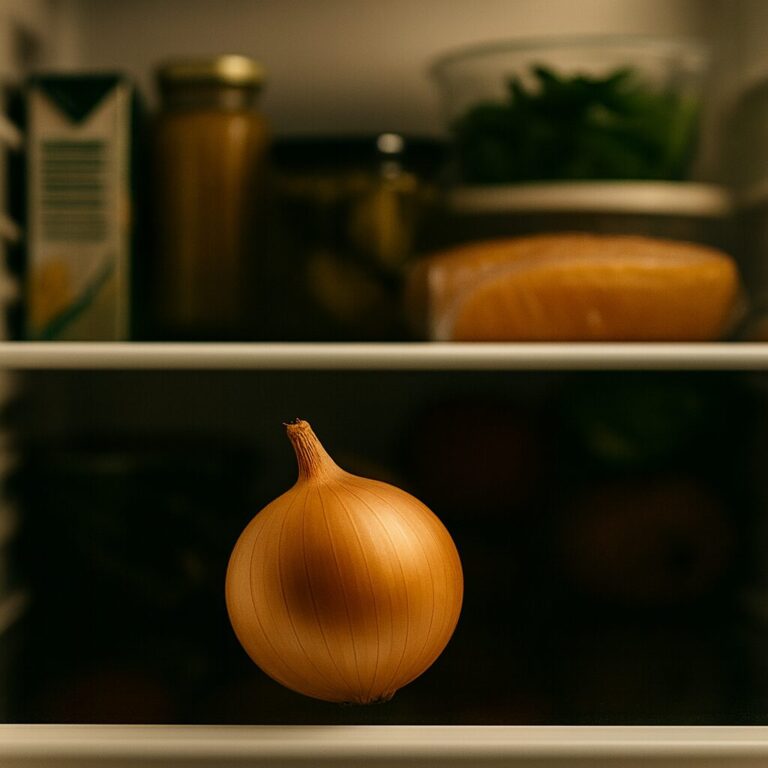
The easiest and most effective way to prevent tears when cutting onions is to chill them in the refrigerator or freezer before chopping. By lowering the temperature of the onion, you slow down the activity of the enzymes that cause the release of the irritating gas. Cold onions release significantly less of that stinging vapor, which means your eyes stay comfortable.
notes
It’s important to note, however, that you should avoid leaving onions in the freezer for longer than 15 minutes. Extended freezing can change the texture of the onion, making it mushy when thawed. This trick works best when you chill the onion just before cutting, not as a long-term storage method.
What You Need
refrigerator/freezer
Method
Place whole onions in the refrigerator for at least 30 minutes before you need them. This is usually enough to cool the inner layers and reduce the reaction.
If you’re short on time, pop the onion into the freezer for 10 to 15 minutes. This quick chill is often enough to make a noticeable difference.
Additional notes
It’s important to note, however, that you should avoid leaving onions in the freezer for longer than 15 minutes. Extended freezing can change the texture of the onion, making it mushy when thawed. This trick works best when you chill the onion just before cutting, not as a long-term storage method.Another benefit of this method is that it doesn’t require any special equipment—no fancy onion goggles, no strange cutting techniques under running water. Just a bit of planning ahead, and your onion problem is solved.Avoid freezing onions completely unless you plan to cook them immediately—long-term freezing alters both texture and flavor.For dishes that require raw onions, chilling them also makes the bite milder and easier to digest.Always use a sharp knife: dull knives crush onion cells more, releasing even more of the irritating compounds.
Onions don’t have to bring you to tears. By simply chilling them before you chop, you can drastically cut down the release of eye-irritating compounds and make your cooking experience tear-free. It’s a small adjustment that requires almost no effort but delivers a big reward—clear eyes, better focus, and more joy in the kitchen. Next time you prepare onions for your recipe, take those extra 10 minutes to chill them, and you’ll never look back.